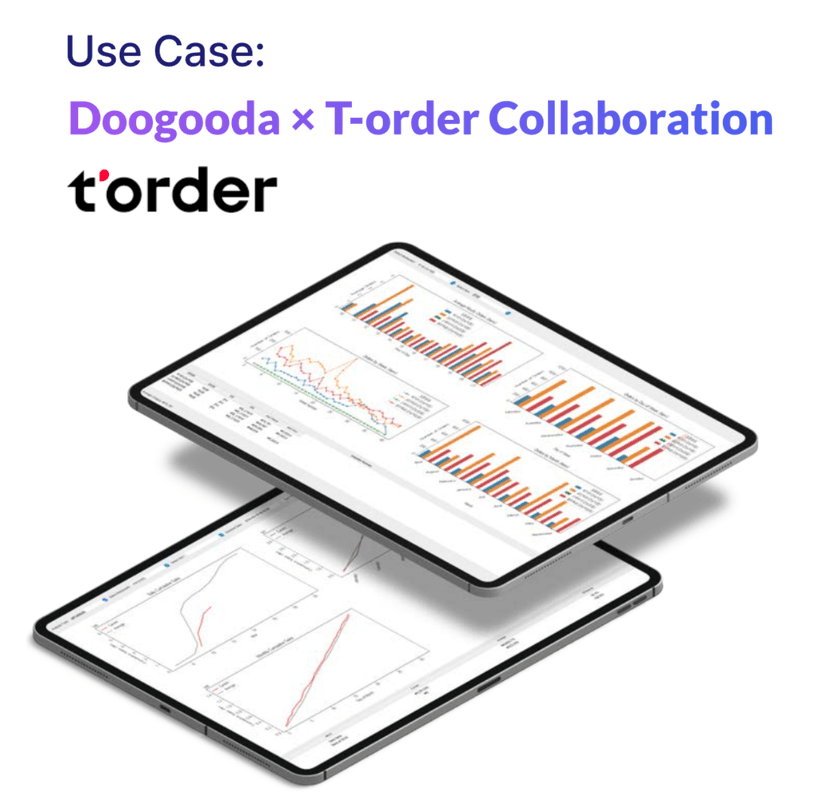
Tablet Ad Targeting Strategy
We turn tablet ads into an auditable targeting policy—matching creatives to table-level context to improve and validate click-through rates (CTR).
Problem
In T-order environments, ads are not just 'impressions'—they are decision problems that change choices at the moment of ordering (menu/drinks/add-ons). However, most venues show the same ads to all tables or operate based on simple time slots/popular items. As a result, table-level click probability differences (party size/order context/time/group composition) are not reflected, leading to low click-through rates (CTR). Validation and optimization of which ads actually drove clicks are impossible, and campaign operations remain stuck on experience and intuition.
Decision to Make
Which ad should be shown to this table right now to increase click-through rate? How to target based on table segment and context (time/order context) to maximize ad click-through rate (CTR)?
Inputs (Data)
Approach
Define table-level context and generate targeting candidate rules (policies) (e.g., '2-person table without drinks + evening peak → value appetizer/set ad'). Estimate incremental revenue uplift by comparing before/after exposure and similar tables (incrementality perspective), and validate through A/B or switchback experimental design. Deploy not as 'dashboard' but as operational rules: segment definition → top-N recommended ads → guardrails (frequency/duplication/fatigue/inventory) → exception handling.
Deliverables
Result
Converted table-context targeting policies into deployable operational rules to improve ad click-through rates (CTR) in measurable form. Track CTR differences by table segment and compare which targeting rules generate higher click rates to build a repeatable decision optimization loop.
Time-to-Value
2-week diagnostic + 6-week pilot
Want to solve a similar problem?
Request a pilot for similar case